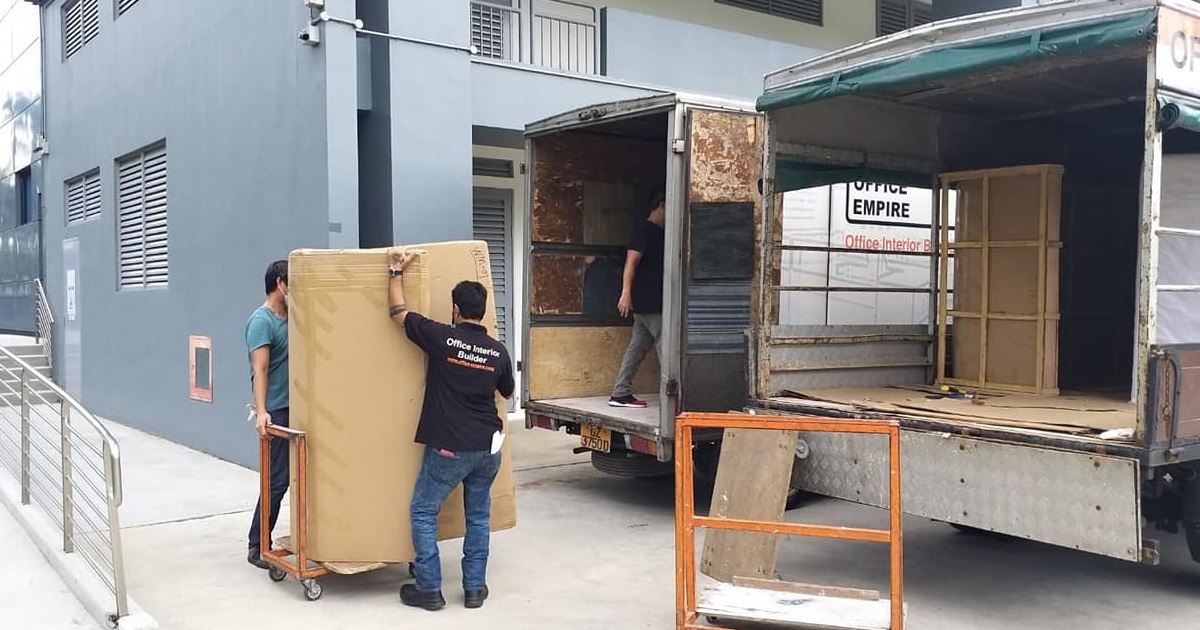
Why Moving Offices is a Growing Trend—and How Companies Are Adapting
Office relocations in Singapore have surged in recent years, driven by rising rents, changing business needs, and the push for hybrid work environments. A 2024 report by Colliers highlighted that 25% of businesses in Singapore are considering relocating to newer or more affordable spaces within the next two years.
The financial sector, in particular, has seen a wave of relocations, with companies moving to decentralized hubs such as Jurong and Paya Lebar. These areas offer modern office facilities at more competitive prices compared to the traditional Central Business District (CBD).

One of the biggest challenges businesses face during relocation is minimizing downtime. A recent survey by JLL revealed that 60% of Singaporean companies cited operational disruption as their top concern during office moves. To mitigate these issues, many firms are adopting phased relocation strategies, ensuring continuity while transitioning to their new spaces.
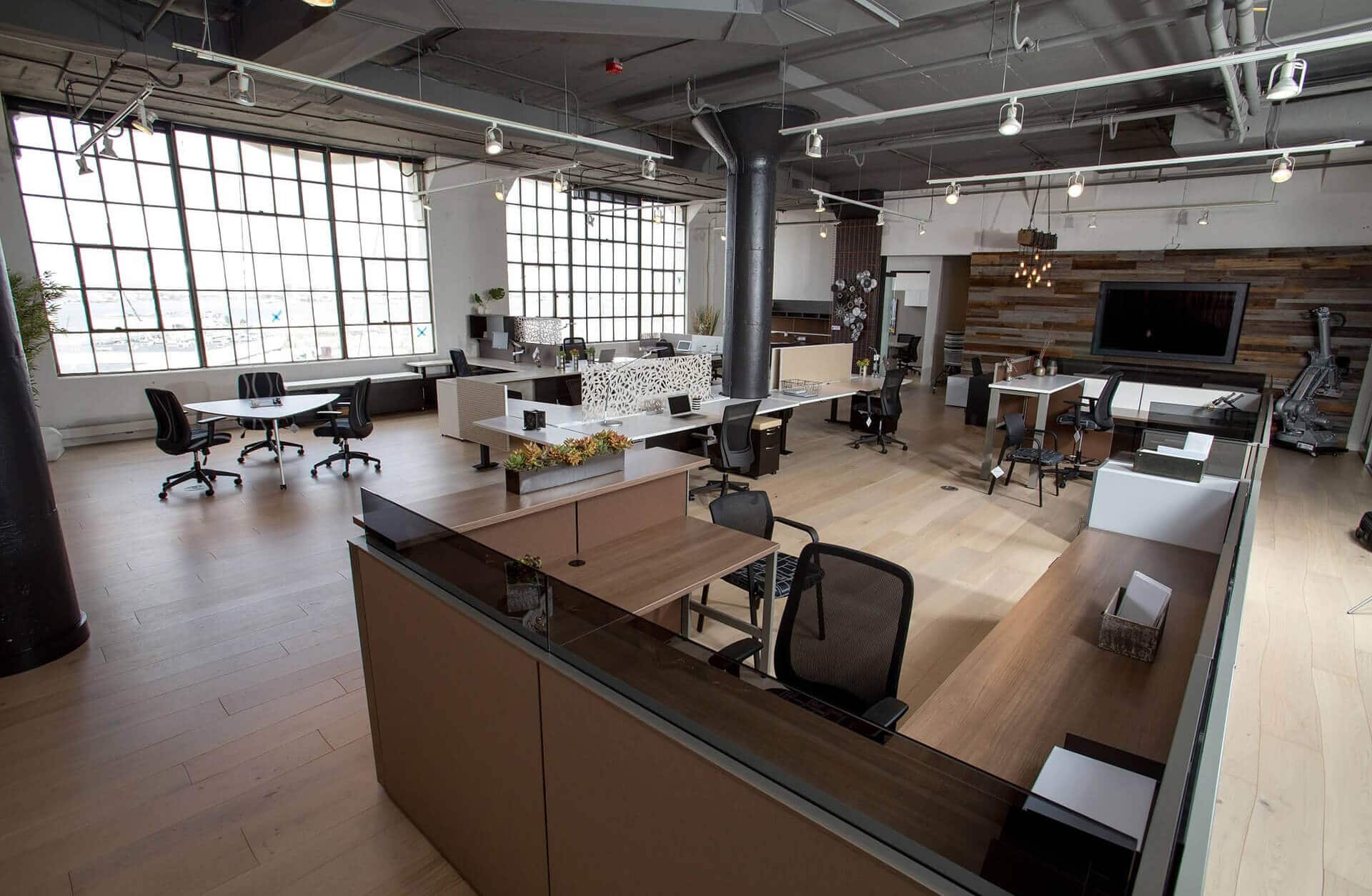
Relocations also offer opportunities for companies to rethink their office designs. Hybrid layouts, which combine hot-desking, collaboration zones, and quiet areas, are becoming the norm. These designs cater to the evolving needs of a workforce that splits time between home and office.
With Singapore’s commercial real estate landscape evolving rapidly, relocations are expected to remain a significant trend. Businesses that approach the process strategically can turn a challenging task into an opportunity for growth and innovation.